Application and Differences of Ceramic, Plastic, and Polypropylene Fillers
2024-07-22

Ceramic fillers
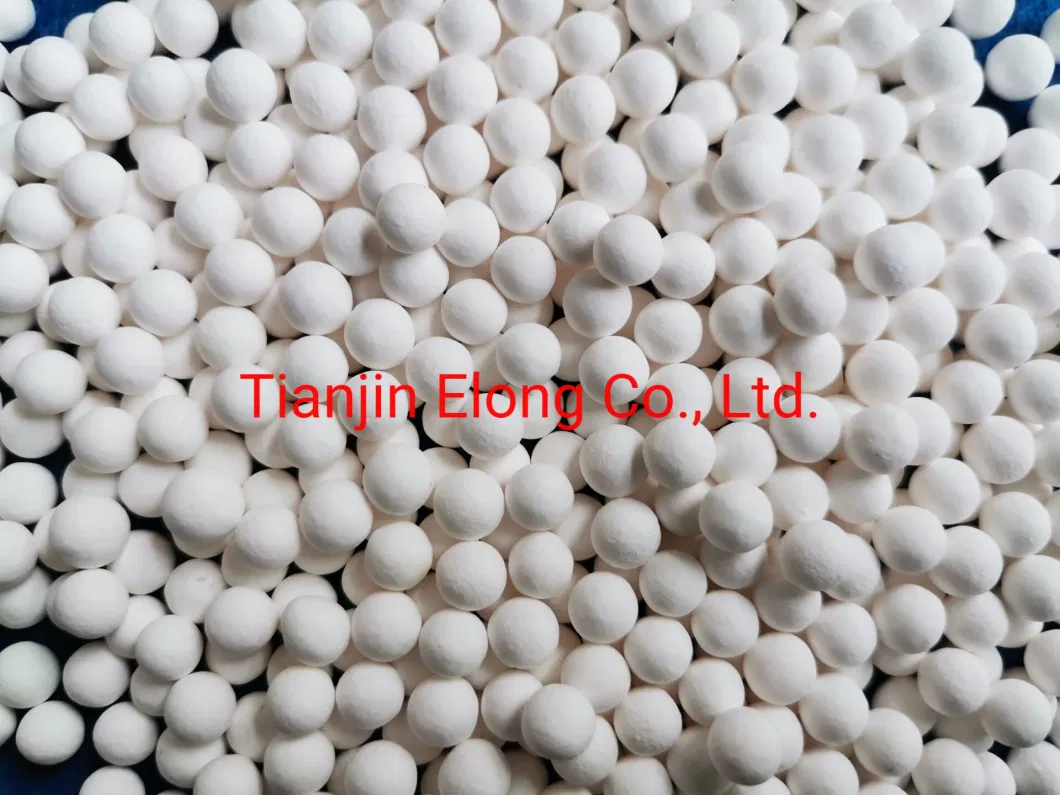
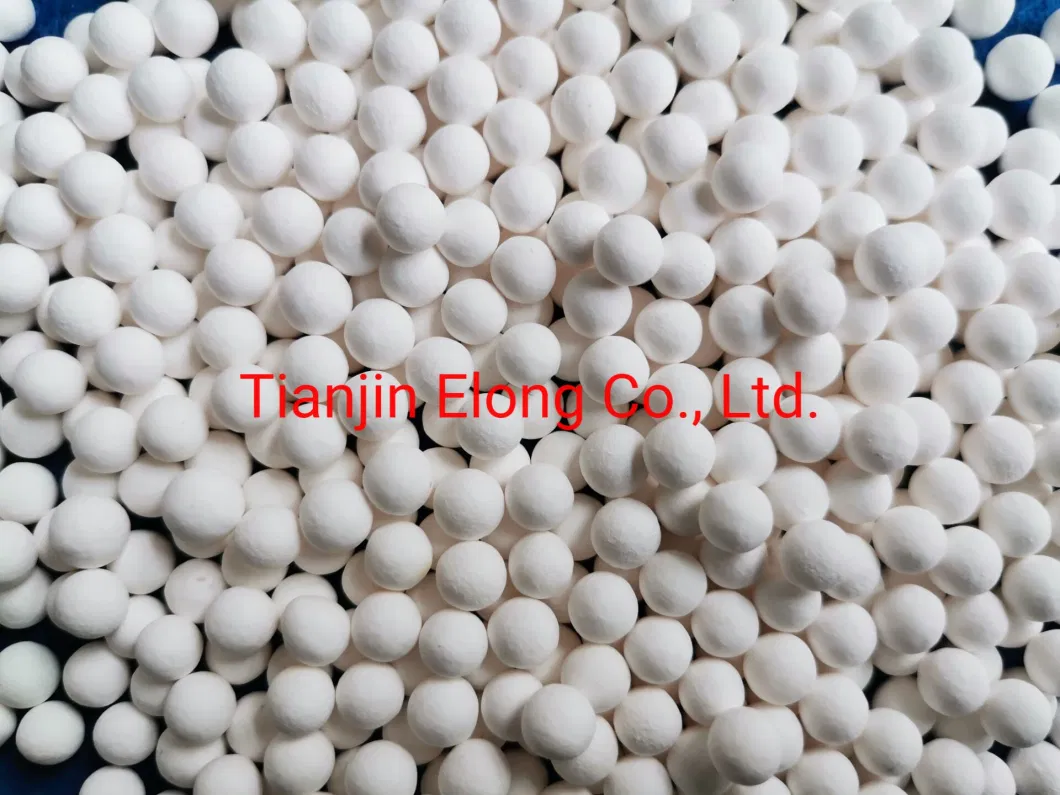
Ceramic material is a filler material with a long history of application. Since the appearance of Lacy ring fillers in ceramic materials in the early 20th century, it has a history of more than 100 years. Currently, ceramic material is still one of the important materials for preparing fillers. Ceramic fillers can be used in drying towers, absorption towers, cooling towers, washing towers, distillation towers, atmospheric towers, synthesis towers, catalytic towers, Z-generation towers, and other industries such as chemical, metallurgical, gas, and oxygen production. Ceramic fillers are generally used in gas absorption, gas washing, liquid C extraction, and other processes. Ceramic fillers are also divided into ceramic bulk fillers (Rascal rings, Ball rings, stepped ring cross rings, rectangular saddle rings, cross saddle rings, conjugate rings, Haier rings, flower garlands, polyhedral hollow balls, covering balls, triple Y rings, chain rings, flat rings, etc.) and ceramic corrugated regular fillers. Ceramic fillers have good wettability and are the fillers with better surface wettability among the three types of fillers: ceramic fillers have excellent acid and heat resistance, and can withstand corrosion from various inorganic acids, Y organic acids, and Y organic solvents except hydrofluoric acid; However, it has poor corrosion resistance to phosphoric acid and cannot withstand the corrosion of alkaline solutions, especially concentrated alkaline solutions, because the large amount of dioxide (Si0) contained in ceramics is prone to chemical reactions with alkaline solutions to form silicate salts. In addition, ceramic fillers can be used in various high and low temperature applications, and their allowable operating temperature is much higher than that of some equipment such as packed towers, with an operating temperature of up to 1200-1600; Ceramic fillers are relatively cheaper than metal fillers, but more expensive than plastic fillers and have a wider range of applications. However, the brittleness and fragility of porcelain fillers are their disadvantages, such as inconvenient filling, complex molding process, poor thermal shock resistance, large mass per unit area, and generally large thickness among the three types of fillers~ About 15mm, which makes the specific area per unit volume relatively small, thus affecting the mass transfer efficiency and heat transfer effect of gas-liquid. Figure 13 shows the physical images of ceramic bulk packing and ceramic regular packing.
Ceramic material is a filler material with a long history of application. Since the appearance of Lacy ring fillers in ceramic materials in the early 20th century, it has a history of more than 100 years. Currently, ceramic material is still one of the important materials for preparing fillers. Ceramic fillers can be used in drying towers, absorption towers, cooling towers, washing towers, distillation towers, atmospheric towers, synthesis towers, catalytic towers, Z-generation towers, and other industries such as chemical, metallurgical, gas, and oxygen production. Ceramic fillers are generally used in gas absorption, gas washing, liquid C extraction, and other processes. Ceramic fillers are also divided into ceramic bulk fillers (Rascal rings, Ball rings, stepped ring cross rings, rectangular saddle rings, cross saddle rings, conjugate rings, Haier rings, flower garlands, polyhedral hollow balls, covering balls, triple Y rings, chain rings, flat rings, etc.) and ceramic corrugated regular fillers. Ceramic fillers have good wettability and are the fillers with better surface wettability among the three types of fillers: ceramic fillers have excellent acid and heat resistance, and can withstand corrosion from various inorganic acids, Y organic acids, and Y organic solvents except hydrofluoric acid; However, it has poor corrosion resistance to phosphoric acid and cannot withstand the corrosion of alkaline solutions, especially concentrated alkaline solutions, because the large amount of dioxide (Si0) contained in ceramics is prone to chemical reactions with alkaline solutions to form silicate salts. In addition, ceramic fillers can be used in various high and low temperature applications, and their allowable operating temperature is much higher than that of some equipment such as packed towers, with an operating temperature of up to 1200-1600; Ceramic fillers are relatively cheaper than metal fillers, but more expensive than plastic fillers and have a wider range of applications. However, the brittleness and fragility of porcelain fillers are their disadvantages, such as inconvenient filling, complex molding process, poor thermal shock resistance, large mass per unit area, and generally large thickness among the three types of fillers~ About 15mm, which makes the specific area per unit volume relatively small, thus affecting the mass transfer efficiency and heat transfer effect of gas-liquid. Figure 13 shows the physical images of ceramic bulk packing and ceramic regular packing.
Classification and application of corrugated packing for orifice plates
The application of activated alumina in vacuum dryers
Related Article